
 Facebook
 X
X
 Pinterest
 Copy Link
Essential Factors When Searching for Home
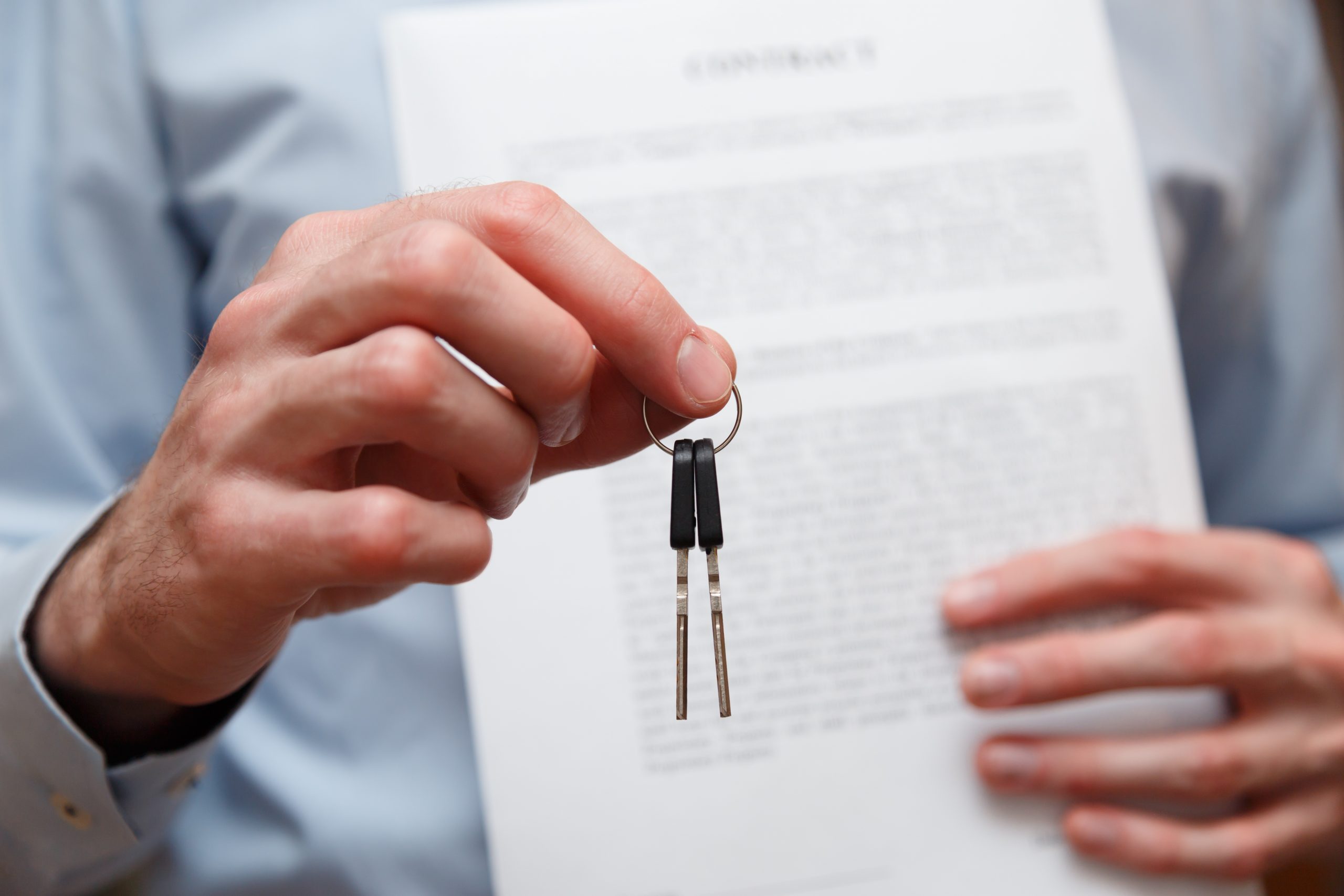
Buying a new house is a significant step, one that demands careful consideration. To ensure you make the right choice, it’s crucial to weigh various factors. Here are key aspects to keep in mind:
1. Budget and Affordability
Begin by setting a realistic budget. Factor in not only the purchase price but also additional costs like closing fees, maintenance, and potential renovations. Stick to a budget that aligns with your financial comfort zone.
2. Location, Location, Location
The neighborhood you choose is pivotal. Consider proximity to work, schools, shopping centers, and healthcare facilities. Research the area’s safety, amenities, and future development plans.
3. Size and Layout
Evaluate the space you need. Think about current needs and future growth. Consider the number of bedrooms, bathrooms, and overall layout. Ensure it fits your lifestyle and potential changes down the road.
4. Condition of the Property
Inspect the condition of the house thoroughly. Look for signs of wear and potential repairs. Hire a professional inspector for a comprehensive evaluation, ensuring no hidden surprises.
5. Natural Light and Ventilation
A well-lit and ventilated house creates a more comfortable living environment. Consider the orientation of the property and the placement of windows. It can significantly affect energy efficiency.
6. Noise Levels
Listen for any potential noise disturbances. Traffic, nearby businesses, or noisy neighbors can impact your day-to-day life. Spend some time in the area to get a feel for the noise levels.
7. Future Resale Value
Anticipate how easy it might be to sell the house in the future. Factors like location, condition, and local market trends play a role in the property’s resale potential.
8. Access to Transportation
Evaluate the availability of public transportation or major roadways. Easy access can save time and money on daily commutes.
9. Homeowner’s Association (HOA) Rules
If the property is part of an HOA, familiarize yourself with their rules and regulations. They can impact everything from exterior colors to landscaping choices.
10. Energy Efficiency and Upkeep
Consider the energy efficiency of the house. Look for features like insulated windows, efficient heating and cooling systems, and modern insulation. These can save you money in the long run.
11. Surrounding Green Spaces
Parks, trails, and recreational areas nearby can enhance your quality of life. They offer opportunities for exercise, relaxation, and social interaction.
12. Your Gut Feeling
Trust your instincts. If a house feels like home from the moment you step inside, it might be the right one for you.
In conclusion, finding the perfect home involves a blend of practical considerations and personal preferences. Take your time, conduct thorough research, and seek advice from real estate professionals. With careful consideration, you’ll find a home that suits your needs and lifestyle perfectly. Happy house hunting!
If you would like more information about buying a home in today’s market, call 817-564-3878 or visit www.QuimbyRealty.com.
Ready to get started now? Fill out this short questionnaire to get a call back within the hour.
A Reverse Mortgage: Is It Right For You?
A reverse mortgage is a financial option available to seniors that allows them to free up some of the accumulated equity in their home. This may be an appealing option for obtaining some extra income in your retirement to use for a variety of reasons. There are, however, some important considerations to weigh before borrowing against your greatest investment. Here are some facts about reverse mortgages, and some tips for making the right financial choice.
What Is A Reverse Mortgage?
Sometimes called a lifetime mortgage, a reverse mortgage allows you to borrow against the equity in your home, which can be paid out either in one lump sum or in several payments over time. This amount does not have to be paid back to the lender during your lifetime provided you stay as a resident in your home and it remains your property. That percentage of the value of your home which you have taken out now becomes the property of the lender and will be returned to them after the sale of the home. Your heirs still inherit the property upon your passing, and they have up to one year from that time to either refinance the property or sell it and keep the remainder of the proceeds for themselves.
Do I Qualify?
Depending on where you live, the qualifications for a reverse mortgage may differ. In general, you must be 62 years or older, have no outstanding mortgages on the property upon which you are borrowing, and you must have sought the advice of a qualified financial advisor in order to prove that you fully understand the process. You can use the monies from a reverse mortgage for whatever you want, as there are no restrictions.
How Much Can I Get?
Again, depending on where you live, the amount of equity you can receive from your home with a reverse mortgage will differ. In the U.S. there is a maximum limit of $625,500, no matter what the value of your home, but for most homeowners the actual amount will be considerably less. The actual amount you will get depends on a variety of factors such as the value of your property, the interest rates at that time, your age, and whether you want a lump sum payment.
Reverse mortgages can be a great addition to your retirement income, but being sure you know all the facts before going ahead will ensure peace of mind for both you and your family in the long term.
If you would like to learn more or have any questions, don’t hesitate to reach out anytime at 817-564-3878 or visit www.quimbyrealty.com.


