
 Facebook
 X
X
 Pinterest
 Copy Link
Boost Home Sales with Immersive VR and AR Tours
Boost Home Sales with Immersive VR and AR Tours
In today’s competitive real estate market, static photos and generic descriptions no longer cut it. Buyers want to experience a home—not just view it. Enter Virtual Reality (VR) and Augmented Reality (AR)—technologies revolutionizing how listings are presented, experienced, and sold. These immersive tools are not just a trend—they’re reshaping the future of property marketing and sales.
The Limitations of Traditional Real Estate Marketing
Traditional property listings with still images and text offer only a surface-level view of a home. They fail to inspire emotional connections, often leading to lower engagement, fewer qualified inquiries, and a longer time on the market. In contrast, immersive content like 3D virtual tours and AR staging offers a richer, more interactive experience that keeps buyers engaged and coming back.
3D Virtual Tours: Always-On, Always-Engaging
Sell Faster and at Higher Prices
Properties that include 3D virtual tours tend to sell up to 31% faster and can fetch up to 9% higher sale prices compared to listings without them.
Boost Buyer Engagement
Rather than quickly scrolling past images, buyers can spend minutes inside a virtual tour, exploring every detail at their own pace using platforms like Matterport.
Global Reach and 24/7 Accessibility
A virtual tour is a 24/7 open house, accessible from any device, anywhere in the world.
Pre-Qualify Serious Buyers
By offering full transparency, VR tours filter out casual lookers and draw in motivated, serious buyers.
Augmented Reality: Enhance Listings with Digital Staging
Virtual Staging Made Simple
AR staging apps like REimagineHome and Styldod allow you to transform vacant rooms into beautifully staged spaces—virtually.
Visualize Renovations and Upgrades
AR allows buyers to see what a space could become, whether it’s new flooring, paint colors, or layout changes.
Interactive Floor Plans
With AR-enabled brochures or blueprints, buyers can point their devices at a printed plan and instantly view a 3D model.
How to Add VR/AR to Your Real Estate Strategy
Partner with Experts
Work with a professional team like DFW Virtual Tours or a certified Matterport service provider.
Leverage DIY Tools
Use platforms like Zillow 3D Home Tours or iStaging to create tours using a smartphone or 360° camera.
Promote on Every Channel
Highlight your virtual or AR experience in listing descriptions, social media posts, email campaigns, and your website’s featured listings section.
Why VR and AR Sell Homes Faster
- Increased Engagement: Buyers stay longer on listings and form stronger connections.
- Broader Audience: Reach buyers worldwide.
- Time-Saving: Filter out non-serious buyers.
- Cost-Effective: Save on traditional staging and showings.
- Memorable: Immersive listings are more likely to be shared.
Elevate Your Real Estate Listings with Immersive Technology
By integrating virtual tours and AR staging, you make your listings more appealing, accelerate sales cycles, increase engagement, and stand out in a crowded market. Start using VR and AR today—and watch your listings come to life.
Frequently Asked Questions (FAQs)
What equipment do I need to create a virtual tour?
You can start with a 360° camera, smartphone-compatible apps, or hire a professional VR service provider.
How much does virtual staging cost?
Virtual staging typically ranges from $25–$60 per room, compared to $2,000+ for physical staging.
Does using VR or AR improve my listing’s SEO?
Yes. Increased engagement and dwell time improve SEO and visibility on platforms like Zillow and Google.
Texas Real Estate Investment Opportunities: Why 2025 Could Be Your Best Year to Buy
While other investors wait for the “perfect” market conditions, savvy investors are recognizing that Texas’s current market shift presents unique opportunities for long-term wealth building.
Market Opportunity Analysis: Why Now Matters
-
Reduced Competition: Some buyers have stepped back due to higher rates, leaving more room for investors to negotiate.
-
Rising Inventory: Active listings are up across Texas metros, creating more choice and better deal potential.
-
Long-Term Demand: Texas continues to rank among the top states for population growth, ensuring sustained rental and resale demand.
Top Investment Markets in Texas
-
Dallas-Fort Worth – 19,668 closed sales in Q1 2025. DFW’s diverse economy and rental demand make it a steady cash-flow market.
-
Houston–Pasadena–The Woodlands – 18,696 closed sales. Strong energy, tech, and healthcare job growth support both rentals and appreciation.
-
San Antonio–New Braunfels – 7,351 closed sales. Military bases, medical centers, and tourism fuel housing demand.
Investment Strategies for 2025
-
Buy & Hold Rentals: Lock in properties in high-demand rental corridors and let tenants build equity for you.
-
Fix & Flip: Target emerging neighborhoods with improving infrastructure and buyer demand.
-
Short-Term Rentals: Texas metros and tourist hubs (Austin, San Antonio) continue to show strong performance in this niche.
Financial Considerations
-
Current Interest Rates: Average mortgage rates are hovering 6.5–7%—still historically moderate compared to past decades.
-
Financing Options: Investors may benefit from adjustable-rate products, portfolio loans, or DSCR (Debt Service Coverage Ratio) loans tailored for rentals.
-
Tax Advantages: No state income tax in Texas plus depreciation deductions, cost segregation, and other real estate tax strategies can strengthen ROI.
Risk Management
-
Market Analysis Tools: Leverage CMA reports, rental yield calculators, and neighborhood growth data before purchasing.
-
Property Management: Factor in professional management for rentals to reduce vacancy, streamline maintenance, and protect cash flow.
-
Diversification: Balance investments between stable rental markets and higher-risk/high-return flips or STRs.
Key Data Points Driving Investment
-
Rental Yields:
-
Dallas-Fort Worth – average yields around 6–7%
-
Houston Metro – average yields around 6%
-
San Antonio – average yields around 7–8%
-
-
Population Growth: Texas gained more new residents than almost any other state in 2024, adding hundreds of thousands of new households.
-
Job Market Strength: DFW and Houston rank top 5 nationally for job creation, with tech, energy, and healthcare driving growth.
-
Inventory Trends: Entry-level and mid-tier homes are seeing increased supply, creating opportunities to acquire properties at better values.
Final Takeaway
2025 is shaping up as a window of opportunity in Texas real estate. Higher rates may sideline casual buyers, but serious investors can capitalize on increased inventory, strong rental demand, and long-term appreciation drivers.
The question isn’t “should you invest?”—it’s “which Texas market will you stake your claim in this year?”
July Housing Market: Contract Cancellations, Sales Uptick & Vacant Homes
🔻 Contract Cancellations Surge
-
58,000 deals fell through in July (15.3% of pending sales).
-
That’s the highest July cancellation rate since 2017.
-
San Antonio led the nation with 22.7% of contracts canceled.
📈 Existing Home Sales Edge Up
-
Existing-home sales rose 2% month-over-month (4.01M annual pace).
-
Inventory climbed 15.7% YoY—the most since May 2020.
-
Median price: $422,400, a July record but up just 0.2% YoY.
-
Luxury sales: $1M+ homes jumped 7.1%.
-
Average days on market rose to 28 (vs. 24 last year).
-
Supply now at 4.6 months—still shy of a balanced 6-month level.
-
Meanwhile, new-home sales slipped 0.6% from June.
🏚 Vacant Investor Homes on the Rise
-
Investors held 882,300 vacant homes as of Q3 last year.
-
That’s 3.6% of investor-owned stock but a big share of the 1.4M total vacant properties.
-
Foreclosures: 222,318 properties in Q3.
-
Zombie homes: 7,500 (3.4% of pre-foreclosures), slightly higher than the prior quarter.
What This Means
-
More contract fallout suggests buyers are pushing back on pricing, inspections, or financing hurdles.
-
The slight sales rebound points to pent-up demand despite higher rates.
-
Rising vacancies and zombie homes may pressure certain local markets, especially where investor activity is high.
AI Data Centers: 2025’s Hottest Real Estate Investment Trend
The real estate world is changing fast. At the center of this change? Data centers powered by AI demand. As we move through 2025, no sector is creating more excitement than these facilities. They house the digital infrastructure that powers our AI-driven world.

The Numbers Tell an Amazing Story
The money flowing into AI data centers is huge. According to Newmark’s 2025 Data Center Market Outlook, companies spent $31.5 billion on new data center construction last year. This spending pushed the development pipeline to nearly 50 million square feet by late 2024. That’s double the volume from just five years ago.
Meanwhile, this growth isn’t random. The Urban Land Institute’s Emerging Trends in Real Estate 2025 report shows data centers dominating the real estate market. Furthermore, demand comes from cloud storage, mobile data traffic, AI apps, and new technologies.
Why Data Centers Beat Traditional Real Estate
Data center investments offer something special. Unlike traditional commercial real estate, these facilities work differently. As CBRE Investment Management explains, tenants don’t rent space—they rent guaranteed power. Therefore, data center rents are quoted per kilowatt or megawatt, not per square foot.
This power-focused model creates several benefits for investors:
Long-term lease stability: Most data center leases run 10-20 years. This provides steady cash flows that office or retail properties can’t match. Additionally, data storage is mission-critical, so tenants rarely relocate.
Recession-proof income: Unlike retail or hotels, data centers provide essential infrastructure. Companies need this infrastructure regardless of economic conditions. Moreover, cloud computing and AI needs keep growing even during downturns.
Premium rental rates: Data centers are specialized facilities. The current supply shortage also helps. As a result, operators can charge premium rents with built-in increases.
Supply and Demand Problems Create Big Opportunities
The current data center market has a huge supply problem. Research from MSCI shows something striking. Projected power demands from existing and planned U.S. data centers exceed utility supply by 50%.
However, this isn’t just about building more facilities. It’s about power infrastructure that takes years to develop. Utilities must invest in new substations. They also need to expand transmission and generation capacity. All of this requires substantial time and money.
The power problem is massive. Columbia Business School research shows data centers use 10 to 50 times more power per square foot than normal commercial buildings. Currently, global data center power demand stands at 55 GW. By 2029, experts expect this to reach 100 GW.
How Real Estate Investors Can Get In
Real estate investors have several ways to profit from this trend:
Data Center REITs
The most direct approach is through specialized REITs. The Motley Fool’s analysis highlights two main players:
Digital Realty Trust (DLR): This is one of the world’s largest data center operators. They control over 40 million square feet across 25 countries. Plus, the company offers data center management through its PlatformDIGITAL software. They also pay a 2.7% dividend yield.
Equinix (EQIX): This leading provider rents space to multiple customers. Therefore, investors get geographic spread and exposure to the growing connection market.
Specialized ETFs
For broader exposure, data center ETFs offer diversified access:
Global X Data Center & Digital Infrastructure ETF (DTCR): This fund includes data center operators and chip companies benefiting from AI growth. Holdings include Nvidia, Broadcom, and Super Micro Computer alongside traditional data center REITs.
Pacer Data & Infrastructure Real Estate ETF (SRVR): This fund focuses specifically on data center REITs and digital infrastructure companies. As a result, investors get pure exposure to the sector.
Where the Action Is Happening
The data center boom is changing real estate markets nationwide. Certain regions are clear winners. PwC’s Emerging Trends report identifies Dallas/Fort Worth as the top real estate market for 2025. This is partly because it’s becoming a major data center hub.
Other hot markets include:
Texas: Central Texas is seeing 500+ acre sites bought by major tech companies. Development is expanding beyond busy Austin and Dallas markets.
Virginia: Loudoun County has land shortages. Data centers already use 26% of total power there. However, new campus builds are moving to Prince William and Culpeper counties.
Arizona: Phoenix’s West Valley and Mesa areas offer large-scale real estate. They also have strong solar integration capabilities.
The rise of campus-style data centers is especially noteworthy. Instead of standalone facilities, today’s data centers look like huge industrial parks. They’re built for growth, energy integration, and long-term expansion.
Important Risks to Know About
While data centers offer great opportunities, smart investors must consider potential risks:
Technology Changes
Technology moves fast. Today’s advanced facilities could become outdated quickly. Furthermore, advances in quantum computing, edge AI, or better chips could hurt the value of current data centers.
Government Pushback
Some areas are starting to limit new data center development. This is due to power grid strain. For example, Northern Virginia’s Loudoun County changed zoning laws in February 2025. Now, new data centers need “special exception” approval instead of automatic permission.
Interest Rate Problems
Like all REITs, data center companies are sensitive to interest rate changes. This is because they use lots of debt financing for their capital-intensive operations.
Power and Utility Risks
Dependence on reliable, abundant power creates unique risks. Utility rate increases, power shortages, or grid problems could significantly impact operations and profits.
The Environmental Factor Matters
Environmental concerns are becoming more important in data center development. JPMorgan’s 2025 Commercial Real Estate Outlook notes that major tech companies’ environmental goals are driving demand for sustainable campuses. These must meet strict emissions and water usage targets.
Data centers need massive amounts of water for cooling. Some facilities in Querétaro, Mexico require 15 billion gallons. This worsens local water crises. Therefore, developers are moving toward renewable energy and more efficient cooling technologies.
Looking Ahead: The Long-Term View
Despite short-term concerns and recent market ups and downs, the long-term outlook for data center real estate remains strong. Seeking Alpha’s analysis notes something important. While recent disruptions like DeepSeek’s efficient AI model and Microsoft’s project pullbacks created some market worry, the growth trends remain solid.
AI use cases and power needs will expand dramatically through 2030. This will drive continued rent and revenue growth. The infrastructure needs for artificial intelligence aren’t disappearing. Instead, they’re only going to increase as AI becomes more integrated into business and consumer apps.
The Bottom Line
The AI-driven data center boom represents one of the biggest real estate investment opportunities of our time. Here’s what makes it special: massive supply-demand imbalances, long-term lease structures, recession-resistant income streams, and exposure to the fastest-growing tech trends.
However, like any investment opportunity, success requires careful research. Investors need to understand the unique risks involved. They also need to select quality operators and markets. For investors willing to do their homework, the data center sector offers potential for substantial returns. This is especially true as the digital economy continues its relentless expansion.
Whether through direct investment in specialized REITs, diversified ETF exposure, or development partnerships, the data center real estate sector deserves serious consideration. It should be part of any forward-looking real estate portfolio. The question isn’t whether AI will continue driving data center demand—it’s whether investors will position themselves to benefit from this historic transformation.
In conclusion, the data center sector offers a unique combination of growth, stability, and technological exposure. While risks exist, the fundamentals remain strong. Smart investors who act now could benefit significantly from this massive shift in the real estate landscape.
This article is for informational purposes only and should not be considered personalized investment advice. Always consult with qualified financial professionals before making investment decisions.
First-Time Homebuyer Tips for DFW: What to Look For
Buying your first home in the Dallas–Fort Worth area is exciting, but it can also feel overwhelming. With so many houses on the market, it’s easy to get caught up in the shiny updates and forget about the details that really impact value, comfort, and long-term costs. After more than a decade as a DFW real estate agent, I’ve seen what buyers often overlook. If I were stepping into the market today as a first-time buyer, here’s what I’d keep top of mind.

Find the Right Agent
Not all agents are created equal. I’d want someone who understands contracts and comps, sure—but also common repair issues. The right agent can spot the difference between a simple cosmetic update and a costly structural fix. That insight saves time and money.
Look Beyond the House
The property is only half the picture. I’d scan the neighborhood: how lawns are maintained, the state of the homes, even the cars parked along the street. A row of broken-down vehicles isn’t just an eyesore—it can signal bigger issues with community pride and upkeep.
Pay Attention to Floorplans
Square footage doesn’t tell the whole story. Layout affects daily life. All bedrooms upstairs may not fit every lifestyle. A home without a split floorplan can make privacy tough. Functionality matters more than flashy finishes.
Pools Can Be Fun… and Work
A well-maintained pool is a luxury, but it comes with responsibility. Ongoing upkeep, chemical balancing, and potential repairs should be weighed carefully before diving in.
Watch the Retaining Walls
Wood retaining walls age quickly in Texas weather. If they already look worn or rotted, replacement costs could be around the corner.
Visit at the Right Times
A house feels different depending on when you see it. I’d drive by at night and on weekends to catch the “real” picture—traffic, noise, and parking habits. A rainy day inspection is smart too—it shows how the property handles drainage.
Don’t Skip Foundation Inspections
Texas soil moves, and foundations often do too. If plumbing is tied into the issue, the risks grow. I’d always order a professional foundation inspection to spot not just cracks, but potential future problems.
Roof Inspections Are a Must
Even on brand-new homes, I’d want the roof inspected. What looks fine at a glance may hide oversights that turn into big-ticket repairs later.
Final Takeaway
Buying your first home in DFW isn’t just about finding a pretty property—it’s about choosing a smart investment. From foundation checks to neighborhood drive-bys, the details you pay attention to today can save you stress and money tomorrow.
If you’re preparing to buy in Dallas, Fort Worth, Arlington, or anywhere across North Texas, partnering with an experienced real estate agent can make the difference between a smooth purchase and costly surprises.
Job Transfers and Relocation: How Career Moves Drive Real Estate Trends
As career paths evolve and job transfers continue to play a significant role in our professional lives, the impact on relocation trends and the real estate market is undeniable. With the rise of flexible work arrangements and remote positions, more individuals are considering moves that align with their career advancements and personal preferences. This shift is reshaping housing demand, creating new opportunities for buyers and sellers alike. By understanding the effects of corporate relocations and employment patterns, we can better navigate this dynamic market. Whether you’re a potential home buyer or a seller ready to list your property, exploring how these trends influence property availability and pricing can guide you toward making informed, confident decisions. For a deeper dive into how remote work is reshaping real estate values, check out this Forbes article.## Impact of Job Transfers

Job transfers play a crucial role in shaping relocation trends and influencing real estate markets across the country. As companies expand or restructure, employees often find themselves moving to new locations, creating ripple effects in housing demand and property values.
Shaping Relocation Trends
Job transfers significantly impact where people choose to live and work. These career-driven moves often lead to shifts in population distribution across cities and regions.
According to a National Association of Realtors study, job relocations account for a substantial portion of home sales each year. This trend highlights the strong connection between employment opportunities and housing choices.
Employees facing job transfers often prioritize factors such as commute times, school districts, and local amenities when selecting their new homes. This focus on quality of life can reshape entire neighborhoods and communities.
As companies adopt more flexible work policies, some employees may choose to relocate even without a formal transfer, seeking areas with lower costs of living or better lifestyle options.
Real Estate Market Influence
Job transfers can have a profound effect on local real estate markets, influencing both supply and demand dynamics. These shifts can lead to changes in property values and rental rates.
In areas experiencing an influx of transferred employees, housing demand often increases. This surge can result in rising home prices and a more competitive market for buyers.
Conversely, regions losing jobs due to corporate relocations may see a decrease in housing demand. This can lead to slower price growth or even declining property values in some cases.
Real estate professionals must stay attuned to local job market trends to anticipate potential shifts in housing demand. This knowledge allows them to better serve both buyers and sellers in a changing market.
Career Moves and Housing Demand

Career advancements and corporate relocations are key drivers of housing demand in many markets. As professionals seek new opportunities, their housing needs often change, creating both challenges and opportunities in the real estate sector.
Corporate Relocations and Property Availability
When large companies move their operations, it can have a significant impact on local housing markets and property availability. These shifts can create both opportunities and challenges for buyers and sellers.
In areas receiving corporate relocations, housing demand often increases rapidly. This surge can lead to a shortage of available properties, particularly in desirable neighborhoods close to new job centers.
Real estate developers and investors may respond to this increased demand by building new housing or renovating existing properties. This can help alleviate supply constraints but may also lead to changes in local community character.
Local governments and planning agencies often play a crucial role in managing the impact of corporate relocations on housing markets. They may implement policies to encourage affordable housing development or improve infrastructure to support population growth.
Role of Career Advancements
Career advancements often prompt individuals and families to seek new housing options that better align with their changing lifestyle and financial situation. This can drive demand for specific types of properties and neighborhoods.
As professionals climb the career ladder, they may look for larger homes, more upscale neighborhoods, or properties with amenities that support their new lifestyle. This trend can create opportunities for sellers in desirable areas.
Some career advancements may allow individuals to work remotely or have more flexible schedules. This can lead to increased interest in properties farther from traditional urban centers, as commute times become less of a concern.
Real estate agents and property managers should be aware of local employment trends and career opportunities to better understand potential shifts in housing demand. This knowledge can help them guide clients toward properties that meet their evolving needs.
Remote Work and New Patterns

The rise of remote work has fundamentally altered traditional relocation patterns and housing preferences. This shift has created new opportunities for both employees and real estate markets while also presenting unique challenges.
Diverse Location Opportunities
Remote work has opened up a world of possibilities for employees to choose where they live, free from the constraints of office proximity. This trend is reshaping housing markets across the country.
According to a study by the Volcker Alliance, remote work has led to significant migration from urban centers to suburban and rural areas. This shift has boosted housing demand in previously overlooked markets.
Remote workers often prioritize factors such as cost of living, natural amenities, and quality of life when choosing their new locations. This has led to increased interest in smaller cities and towns that offer these benefits.
Real estate professionals in diverse locations now have the opportunity to attract a broader range of buyers, including those from out-of-state or even international markets.
Community Adaptation Challenges
While remote work offers new opportunities, it also presents challenges for both individuals and communities adapting to these changes. Understanding these challenges is crucial for successful relocation and integration.
Remote workers moving to new areas may face difficulties in building social connections and professional networks. Communities can address this by organizing events and creating spaces that foster interaction among newcomers and long-time residents.
Local infrastructure and services may need to adapt to accommodate an influx of remote workers. This could include improving internet connectivity, expanding co-working spaces, or adjusting zoning laws to allow for home offices.
According to a METRANS Transportation Center report, remote work can also impact transportation patterns and urban planning. Communities may need to reassess their development strategies in light of changing commute patterns and housing preferences.
Real estate professionals can play a key role in helping remote workers navigate these challenges by providing information about local communities, amenities, and resources that support work-from-home lifestyles.
For a comprehensive outlook on how these trends are shaping the U.S. housing market, check out this J.P. Morgan analysis.
Demographic Shifts and Their Influence on Real Estate: Opportunities for the Savvy Investor
The shifting demographics across the Dallas-Fort Worth area are creating a dynamic landscape for real estate investors eager to seize new opportunities. As the population grows and diversifies, shifts in buyer behavior can significantly impact housing demand and market trends. These changes, combined with economic conditions and climate change, present unique challenges and advantages for those looking to invest wisely. By staying informed about real estate trends and adapting to market fluctuations, savvy investors can position themselves to thrive amid these evolving circumstances. In this post, we’ll explore how demographic shifts influence real estate and identify opportunities for forward-thinking investors.## Understanding Demographic Shifts

Demographic shifts play a crucial role in shaping the real estate landscape. Let’s explore the key trends, their impact on buyer behavior, and future housing demands.
Key Real Estate Trends
The Dallas-Fort Worth area is experiencing significant population growth, which is reshaping the real estate market. According to recent data, the region has seen a steady influx of new residents, particularly young professionals and families.
This growth has led to increased demand for housing across various segments, from starter homes to luxury properties. The suburbs are expanding rapidly, with new developments springing up to accommodate the growing population.
Another notable trend is the rise of mixed-use developments, combining residential, commercial, and recreational spaces. These projects are becoming increasingly popular among millennials and young families who value convenience and community.
Impact on Buyer Behavior
Demographic shifts have significantly altered buyer preferences and behavior in the real estate market. The influx of younger generations has led to a surge in demand for modern, tech-enabled homes with smart features and energy-efficient designs.
Location preferences have also evolved, with many buyers now prioritizing proximity to urban centers, public transportation, and amenities. This shift has led to the revitalization of previously overlooked neighborhoods and the development of new urban hubs.
The rise of remote work has further influenced buyer behavior, with more people seeking homes with dedicated office spaces or flexible layouts. This trend has expanded the geographical range of potential buyers, as commute times become less of a concern for many workers.
Future Housing Demands
As demographics continue to shift, future housing demands are likely to evolve. Experts predict a growing need for diverse housing options to cater to different life stages and preferences.
Multi-generational housing may see increased popularity, as families look for ways to accommodate aging parents or adult children. This trend could drive demand for homes with separate living spaces or accessory dwelling units.
Sustainability and eco-friendly features are expected to become standard requirements rather than luxuries. Buyers will likely prioritize energy efficiency, sustainable materials, and green spaces in their home searches.
Economic Conditions and Real Estate

Economic factors significantly influence the real estate market. Let’s examine the effects of interest rates, challenges of mortgage affordability, and strategies for adapting to market fluctuations.
Effects of Interest Rates
Interest rates play a pivotal role in shaping the real estate market. When rates are low, borrowing becomes more affordable, often leading to increased demand for properties and higher home prices.
Conversely, rising interest rates can cool the market by making mortgages more expensive. This can result in decreased demand and potentially lower property values. Investors and homebuyers must carefully consider the current interest rate environment when making decisions.
Long-term interest rate trends can also impact real estate investment strategies. For example, in periods of sustained low rates, investors may focus more on appreciation potential rather than immediate cash flow from rental properties.
Challenges of Mortgage Affordability
Mortgage affordability remains a significant challenge in many real estate markets, including Dallas-Fort Worth. Rising home prices, coupled with potential increases in interest rates, can make it difficult for many buyers to enter the market.
This affordability issue has led to creative solutions, such as rent-to-own programs, shared equity models, and down payment assistance initiatives. These alternatives aim to help more people achieve homeownership despite financial constraints.
For investors, understanding these affordability challenges can present opportunities. Properties that cater to first-time buyers or offer innovative financing options may become increasingly attractive in competitive markets.
Adapting to Market Fluctuations
Real estate markets are inherently cyclical, and savvy investors must be prepared to adapt to changing conditions. This flexibility involves staying informed about local and national market trends, economic indicators, and demographic shifts.
One strategy for adapting to market fluctuations is diversification. By investing in different types of properties or across various geographic areas, investors can spread their risk and potentially weather market downturns more effectively.
Another approach is to focus on value-add opportunities. Even in challenging markets, properties that can be improved or repositioned may offer attractive returns for investors willing to put in the work.
Climate Change and Housing Market
Climate

change is increasingly impacting the real estate sector. Let’s explore its influence on housing shortages, related legislative changes, and opportunities for forward-thinking investors.
Influence on Housing Shortages
Climate change is exacerbating housing shortages in many areas, including parts of the Dallas-Fort Worth region. Extreme weather events and changing climate patterns can damage existing housing stock and disrupt new construction projects.
In some cases, areas prone to flooding or other climate-related risks may become less desirable for development, further constraining housing supply. This can lead to increased pressure on housing in safer areas, driving up prices and competition.
Investors and developers are increasingly factoring climate resilience into their decision-making processes. Properties with features that mitigate climate risks, such as elevated foundations or robust insulation, may become more valuable in the long term.
Legislative Changes and Sustainability
Recent legislative changes reflect growing concerns about climate change and its impact on real estate. Many jurisdictions are implementing stricter building codes and zoning regulations to promote sustainability and resilience.
These changes often include requirements for energy-efficient designs, water conservation measures, and the use of sustainable materials in construction. While these regulations can increase upfront costs, they may lead to long-term savings and increased property values.
For investors, staying informed about these legislative changes is crucial. Properties that already meet or exceed new sustainability standards may have a competitive advantage in the market.
Opportunities for Savvy Investors
Climate change, while presenting challenges, also creates opportunities for savvy real estate investors. According to industry experts, there’s growing demand for properties with green features and climate resilience.
Investing in renewable energy systems, such as solar panels or geothermal heating, can make properties more attractive to environmentally conscious buyers and potentially increase their value. Similarly, properties in areas less vulnerable to climate risks may become increasingly desirable.
Adaptive reuse projects that transform existing buildings into more sustainable structures represent another opportunity. These investments can revitalize neighborhoods while addressing climate concerns and meeting changing demographic preferences.
The Impact of the ROAD to Housing Act on Manufactured Housing Supply

The ROAD to Housing Act represents a significant step towards addressing housing affordability challenges in the United States. This section explores the core objectives and key provisions of this bipartisan legislation.
Goals of the Bipartisan Legislation
The ROAD to Housing Act aims to tackle the housing affordability crisis through collaborative efforts across party lines. Accelerator for America highlights the act’s focus on expanding housing options and reducing barriers to construction.
This legislation seeks to create a more inclusive housing market by promoting diverse housing types, including manufactured and modular homes. It recognizes the potential of these alternative housing solutions to address affordability concerns.
The act also aims to streamline processes and reduce regulatory burdens that often hinder housing development. By doing so, it hopes to speed up construction and increase the overall housing supply.
Key Provisions for Housing Affordability
The ROAD to Housing Act includes several key provisions designed to improve housing affordability. These provisions target various aspects of the housing market and development process.
One crucial element is the focus on zoning reform. The act encourages local governments to reassess and update their zoning laws to allow for more diverse housing types. This could lead to increased density and more efficient land use in residential areas.
Another important provision is the emphasis on reducing regulatory barriers. The act seeks to simplify and expedite approval processes for housing projects, particularly those involving manufactured and modular homes.
The legislation also includes measures to support affordable housing initiatives. It proposes incentives for developers and local governments that prioritize affordable housing projects.
Enhancements to Zoning and Regulations

Zoning and regulatory reforms are central to the ROAD to Housing Act’s strategy for increasing housing supply and affordability. This section examines how these changes could reshape the housing landscape.
Impact of Zoning Reform on Housing Supply
Zoning reform has the potential to significantly increase housing supply by allowing for more diverse and dense development. The Urban Institute suggests that such reforms could lead to substantial increases in available housing units.
By permitting a wider range of housing types in residential areas, zoning reform can create opportunities for more affordable housing options. This includes allowing for smaller lot sizes, accessory dwelling units, and multi-family structures in previously single-family zones.
Zoning changes can also promote more efficient land use, potentially reducing sprawl and associated infrastructure costs. This can lead to more sustainable urban development patterns and improved access to amenities and services.
The reforms may also encourage mixed-use developments, creating vibrant communities where residents can live, work, and access services within walking distance.
Cutting Red Tape for Modular Housing
The ROAD to Housing Act aims to simplify the approval process for modular housing, removing unnecessary barriers to this efficient construction method. This approach can significantly reduce construction time and costs.
By streamlining regulations, the act seeks to make modular housing a more viable option for developers and homebuyers alike. This could lead to faster project completions and potentially lower housing prices.
The act also addresses inconsistencies in building codes and standards that often hinder modular housing development. Harmonizing these regulations across jurisdictions can facilitate broader adoption of modular construction techniques.
Reducing red tape can also encourage innovation in the modular housing industry, potentially leading to new designs and construction methods that further improve affordability and quality.
Boosting Manufactured Housing Supply
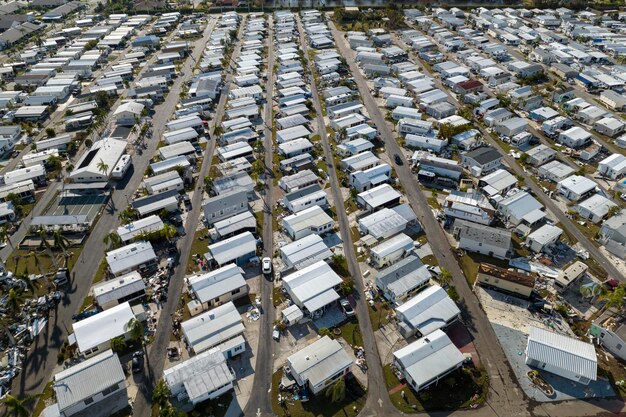
The ROAD to Housing Act recognizes the potential of manufactured housing to address affordability concerns. This section explores how the act aims to increase the supply of manufactured homes and the potential benefits for various stakeholders.
Benefits for Home Buyers and Sellers
Manufactured housing offers several advantages for both buyers and sellers in the housing market. The Manufactured Housing Association for Regulatory Reform notes that these homes can provide quality housing at a lower cost compared to traditional site-built homes.
For buyers, manufactured homes can offer an affordable entry point into homeownership. These homes often come with modern amenities and energy-efficient features, providing value beyond their price point.
Sellers of manufactured homes may benefit from a larger potential buyer pool as these homes become more widely accepted and integrated into communities. This could lead to faster sales and potentially higher resale values.
The act’s provisions may also improve financing options for manufactured homes, making them more accessible to a broader range of buyers.
Encouraging Modular Housing Growth
The ROAD to Housing Act includes measures to promote the growth of the modular housing industry. This approach can help address housing shortages more quickly and efficiently than traditional construction methods.
Modular housing offers several advantages, including faster construction times, reduced waste, and potentially lower costs. The act aims to capitalize on these benefits by removing barriers to modular housing development.
By encouraging modular housing growth, the act may stimulate innovation in the construction industry. This could lead to new technologies and methods that further improve the quality and affordability of housing.
The American Planning Association suggests that supporting modular housing can also contribute to more sustainable urban development, as these homes can be designed for energy efficiency and adaptability.
Your Ultimate Guide to Buying a Home in the DFW Area: Expert Tips from a Local Real Estate Agent
Navigating the bustling real estate market in the Dallas-Fort Worth area requires more than just a keen eye for property potential; it demands insider knowledge and strategic planning. For prospective homebuyers eager to make a sound investment, understanding the unique nuances of the DFW housing scene is crucial. From identifying the most desirable neighborhoods to understanding the ebb and flow of market trends, having expert guidance can make all the difference. In this guide, we gather insights from a seasoned local real estate agent, offering valuable tips to help you secure your dream home in this dynamic region. Whether you’re a first-time buyer or looking to upgrade, these expert recommendations will equip you with the tools needed to make informed decisions in a competitive market.## Understanding the DFW Housing Market
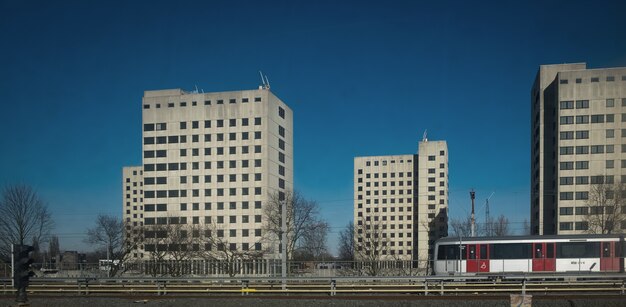
The Dallas-Fort Worth housing market is known for its vibrancy and rapid growth. To make an informed decision, buyers need to grasp the current trends and pricing dynamics.
Key Market Trends
The DFW housing market has shown steady growth over the past few years. This trend is driven by strong job markets, population influx, and economic stability in the region.
One notable trend is the increased demand for suburban properties. Many buyers are seeking more space and amenities outside the urban core, leading to competitive markets in areas like Frisco, Plano, and McKinney.
New construction continues to be a significant factor in the DFW market. Developers are actively building new communities to meet the growing demand, offering buyers fresh options with modern amenities.
Pricing and Affordability
Home prices in the DFW area have seen consistent appreciation, outpacing many other metropolitan areas. This growth has implications for both buyers and sellers in the market.
Despite the price increases, DFW remains relatively affordable compared to other major U.S. cities. The median home price in DFW is lower than in markets like New York, Los Angeles, or San Francisco, making it an attractive option for many buyers.
It’s important to note that pricing varies significantly across different neighborhoods and suburbs. Factors such as location, school districts, and proximity to amenities can greatly influence property values.
Finding the Right Neighborhood
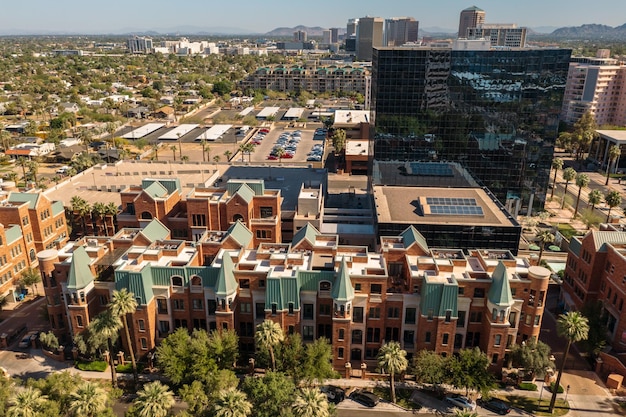
Choosing the ideal neighborhood is crucial when buying a home in DFW. Consider factors like education quality, local amenities, and transportation options to find the perfect fit for your lifestyle.
School Districts and Amenities
The quality of school districts is a top priority for many homebuyers in the DFW area, especially families with children. Districts like Frisco ISD, Plano ISD, and Carroll ISD are highly regarded for their academic excellence.
Beyond education, local amenities play a significant role in neighborhood desirability. Parks, shopping centers, restaurants, and entertainment venues can greatly enhance quality of life and property values.
When evaluating neighborhoods, consider the future development plans. Areas with upcoming infrastructure improvements or new commercial projects may offer good investment potential.
Commuting and Accessibility
Transportation is a key factor in the DFW metroplex, given its vast size. Consider your daily commute and access to major highways when choosing a location.
Public transportation options, such as the DART rail system, can be a valuable asset. Proximity to stations may increase property values and provide convenient alternatives to driving.
For those who frequently travel, consider the distance to DFW International Airport or Dallas Love Field. Easy airport access can be a significant advantage for both business and leisure travelers.
Navigating the Buying Process

The home buying process can be complex, especially in a competitive market like DFW. Working with experienced professionals and understanding negotiation strategies can help you secure your dream home.
Working with a Real Estate Agent
A knowledgeable local real estate agent can be invaluable in your home search. They provide market insights, access to listings, and guidance throughout the buying process.
When selecting an agent, look for someone with experience in your desired neighborhoods. They should have a track record of successful transactions and strong negotiation skills.
Your agent can help you understand local market conditions, set realistic expectations, and identify properties that match your criteria. They’ll also assist with paperwork and coordinate with other professionals involved in the transaction.
Negotiation and Closing Tips
In a competitive market, strong negotiation skills can make a difference. Be prepared to make quick decisions and consider strategies like escalation clauses or personalized offer letters.
During the closing process, pay attention to details in the contract and inspection reports. Don’t hesitate to ask questions or seek clarification on any terms or conditions.
Remember that closing costs can add up quickly. Factor these expenses into your budget and discuss potential seller concessions with your agent to potentially reduce your out-of-pocket costs.
Supporting Local Entrepreneurship: How New DFW Ventures Enrich the Community and Economy
The Dallas-Fort Worth area is buzzing with new businesses that are shaking up the local market and offering fresh perspectives. These innovative startups are not only thriving in a post-pandemic world but are also enriching the community with their unique offerings. From tech-driven solutions in health and wellness to sustainability products that are setting new standards, these ventures highlight the entrepreneurial spirit that defines DFW. As we explore these new businesses, we’ll uncover how they are adapting to challenges and redefining industries in exciting ways. By supporting local entrepreneurship, residents can play a significant role in shaping the future of the DFW economy, fostering growth and opportunity for all.## New Businesses in DFW

The Dallas-Fort Worth area is experiencing a surge of entrepreneurial activity, with new businesses emerging across various sectors. These ventures are not only contributing to the local economy but also reshaping the market landscape with their innovative approaches.
Unique Offerings Shaping the Market
The DFW market is witnessing a transformation driven by businesses that bring fresh ideas and unique offerings to the table. These ventures are carving out niches and addressing unmet needs in the community.
One standout example is a local tech startup that has developed an AI-powered platform for personalized nutrition planning. This innovative solution combines machine learning algorithms with individual health data to create tailored meal plans and grocery lists.
Another notable business is a boutique sustainable fashion brand that uses recycled materials to create stylish, eco-friendly clothing. Their approach not only appeals to environmentally conscious consumers but also sets a new standard for responsible manufacturing in the fashion industry.
A third example is a virtual reality company that’s revolutionizing real estate tours. By offering immersive 3D property walkthroughs, they’re changing how people shop for homes and commercial spaces in the DFW area.
Adapting in a Post-Pandemic World
The COVID-19 pandemic has forced businesses to adapt quickly, and DFW entrepreneurs have risen to the challenge with remarkable resilience and creativity.
Many local restaurants pivoted to offer contactless delivery and takeout options, developing user-friendly apps and implementing strict safety protocols. This shift not only helped them survive the pandemic but also opened up new revenue streams that continue to thrive.
Tech-savvy startups in DFW have capitalized on the increased demand for remote work solutions. From virtual team-building platforms to AI-powered productivity tools, these businesses are helping companies navigate the new normal of hybrid work environments.
Health and wellness ventures have also adapted, with many fitness studios and personal trainers transitioning to online classes and virtual coaching sessions. This shift has allowed them to reach a broader audience beyond their local neighborhoods.
Innovative Startups Redefining Industries

DFW is home to a growing number of startups that are pushing the boundaries of innovation and disrupting traditional industries. These companies are leveraging cutting-edge technologies and novel business models to create solutions that address complex challenges.
Tech-Driven Solutions DFW
The DFW area is becoming a hub for tech-driven solutions across various sectors, from healthcare to finance and beyond.
In the healthcare space, a local startup has developed a wearable device that monitors vital signs and uses AI to predict potential health issues before they become serious. This technology is not only improving patient outcomes but also reducing healthcare costs.
Another innovative company is using blockchain technology to create a more transparent and efficient supply chain management system. This solution is particularly valuable for the region’s manufacturing and logistics industries.
A fintech startup in DFW has created a platform that uses machine learning to provide personalized financial advice and investment strategies. This democratization of financial planning is making expert guidance accessible to a broader range of individuals.
Sustainability Products DFW
Sustainability-focused startups in DFW are developing products that address environmental concerns while meeting consumer needs.
One such company has created a line of biodegradable packaging materials made from agricultural waste. This innovation is helping local businesses reduce their environmental impact without compromising on product protection.
Another startup has developed a smart home energy management system that optimizes electricity usage and integrates seamlessly with renewable energy sources. This technology is enabling DFW residents to reduce their carbon footprint and save on energy costs.
A third example is a company that produces plant-based alternatives to traditional meat products. Their offerings are not only environmentally friendly but also cater to the growing demand for healthier, more sustainable food options.
Local Market DFW: Success Stories

The DFW area is rich with inspiring success stories of local entrepreneurs who have turned their visions into thriving businesses. These stories serve as motivation for aspiring business owners and showcase the supportive ecosystem for startups in the region.
Overcoming Challenges
Every successful business has faced its share of obstacles, and DFW entrepreneurs have shown remarkable resilience in overcoming these challenges.
One local tech startup initially struggled to secure funding but persevered by bootstrapping and leveraging local networking events. Their determination paid off when they eventually caught the attention of a major venture capital firm, securing the investment needed to scale their operations.
A sustainable fashion brand faced supply chain disruptions during the pandemic but adapted by sourcing materials locally and developing a made-to-order model. This pivot not only solved their immediate problem but also resulted in a more sustainable and efficient business model.
Another entrepreneur overcame language barriers and cultural differences to establish a successful international food market. By embracing diversity and building strong community relationships, they transformed initial challenges into unique selling points.
Celebrating the Entrepreneurial Spirit
The entrepreneurial spirit in DFW is alive and well, with numerous initiatives and events that celebrate and support local business owners.
Annual startup competitions in the region provide platforms for entrepreneurs to showcase their ideas and win funding. These events not only offer financial support but also valuable networking opportunities and mentorship from experienced business leaders.
Coworking spaces and incubators across DFW foster collaboration and innovation among startups. These environments provide affordable office space and access to resources that are crucial for early-stage businesses.
Local universities play a significant role in nurturing entrepreneurship through specialized programs and partnerships with the business community. These initiatives are helping to cultivate the next generation of DFW entrepreneurs.
The Future of DFW Ventures: Looking Ahead
The future of the Dallas-Fort Worth entrepreneurial landscape is promising, with numerous opportunities for growth and expansion. As these innovative startups continue to flourish, several trends are poised to shape the way forward.
Embracing Technology and Digital Transformation
As technology continues to advance, DFW businesses will increasingly harness digital tools to streamline operations and enhance customer experiences. From artificial intelligence to the Internet of Things, startups are likely to integrate these technologies to stay competitive and meet evolving consumer demands.
Sustainability as a Core Business Strategy
With growing awareness of environmental issues, sustainability is expected to become a cornerstone of business strategies. Startups that prioritize eco-friendly practices and products will not only appeal to conscientious consumers but will also drive industry standards toward more sustainable operations.
Expanding Inclusivity and Diversity
The DFW area is a melting pot of cultures and backgrounds, and this diversity will play a critical role in shaping the entrepreneurial ecosystem. Startups that embrace inclusivity and foster diverse teams are likely to lead the way in innovation and market reach.
Building Stronger Community Connections
As local businesses gain momentum, strengthening ties within the community will be essential. Collaborating with local organizations, participating in community events, and addressing regional challenges can reinforce a positive brand image and garner sustained support from residents.
Encouraging Collaboration and Partnerships
Collaboration between startups, established companies, and academia will foster a more dynamic and innovative entrepreneurial environment in DFW. By sharing resources, knowledge, and networks, these partnerships can lead to breakthroughs that benefit both individual businesses and the community at large.
2025 Texas Property Tax Shake‑Up: What DFW Homeowners Need to Know — Right Now
Your go‑to DFW listing strategist & negotiation nerd
Why are property taxes trending (again)?
Yesterday the Texas Senate fast‑tracked Senate Bill 9, slashing the annual revenue growth cap for cities and counties from 3.5 % to 2.5 % for jurisdictions larger than 75 k residents. Lawmakers say it’s a “gut check” for soaring tax bills; critics warn it could squeeze local budgets. (The Texas Tribune)
What the new cap really means for a $500 k Dallas‑area home
- Current Dallas County voter‑approval rate: $0.222188 per $100 of value.
- Annual county portion today: ≈ $1,111.
- If the cap holds: local leaders must ask voters before collecting more than a 2.5 % bump—about $28 on that same home next year. (Axios)
In plain English? Bigger hikes get put to a ballot, giving you the final say.
Coming in November: record‑setting relief (or is it?)
Two ballot measures signed by Governor Abbott promise $51 billion in cuts via:
- Homestead exemption boost from $100 k ➜ $140 k.
- Extra senior/disabled exemption up to $160 k.
- Small‑business personal‑property exemption jump to $125 k. (Kiplinger)
Average projected savings: $938.72/year for homeowners 65+, and “almost 50 %” off school taxes for everyone else. But local officials warn they may raise their own rates to backfill lost dollars—so stay alert. (Kiplinger)
Action plan: stay two steps ahead of the taxman
| Move | Why it matters | How to do it fast |
|---|---|---|
| File your homestead (or senior / disabled) exemption | Locks in the higher shelter amounts above | Grab the form at the Texas Comptroller’s portal. |
| Protest your 2025 valuation | Most DFW appraisals rose 6‑10 % this year | Use my free DFW Property Tax Protest Guide. |
| Audit your escrow | Many lenders won’t adjust automatically for new caps | Call your servicer; ask for a mid‑year escrow analysis. |
| Leverage today’s lower mortgage rates | 30‑year fixed now averages 6.66 %, the lowest in nine months | Compare quotes; I’ve vetted three local lenders who honor rate‑match guarantees. (Bankrate) |
| Strategize before you list or buy | Tax liabilities change net proceeds & monthly cash flow | Let’s crunch numbers in a 15‑min strategy session. |
Bigger picture: how taxes + rates + inventory collide in 2025
- Inventory across DFW is up 19 % Y/Y, easing bidding wars.
- Mortgage rates dipped 10 bp this week and analysts expect a gentle glide lower by Q4.
- If November’s relief passes and the Senate cap becomes law, monthly payments for many buyers could shrink on both the PITI and tax lines—fueling fresh demand heading into the spring market.
Translation? Sellers should prep early (that staging consult is free, y’all), and buyers may finally regain some leverage—so long as they lock loans strategically.
Ready to turn legislative chaos into personal savings?
- 🔎 Search every active DFW listing
- 📦 Request my complimentary DFW Newcomer Kit
- 🤝 Book your free pricing & tax‑impact consult
I’ll bring the market data, negotiation muscle, and a little Brazos‑River grit—so you can keep more of your hard‑earned equity.
Because around here, we don’t just watch trends—we ride them straight to the closing table. 🏡✨


