
Polo Heights Subdivision - February Housing Market
The Polo Heights Pivot: Why a 100% Inventory Surge is Good News for the Grand Prairie Lifestyle
I. The Grand Prairie Pivot
In the modern real estate landscape, "market timing" has become a source of significant anxiety. Homeowners and prospective buyers in Grand Prairie often find themselves caught between the fear of missing out and the fear of overpaying. However, the February 2026 Market Activity Report for Polo Heights suggests that the neighborhood is entering a "calm after the storm."
Polo Heights is currently a case study for a broader Grand Prairie transition: a pivot away from an unsustainable sprint toward a more balanced, thoughtful community experience. For residents, this shift represents a return to a market where decisions are made with due diligence rather than desperation, prioritizing long-term lifestyle fit over short-term speculative hype.
II. The Great Inventory Double-Take
The most striking data point this month is the sudden doubling of available housing. The "Months of Inventory" in Polo Heights has surged by 100% month-over-month, now sitting at a 4-month supply.
For a lifestyle strategist, this is a welcome development. A 4-month supply moves Polo Heights firmly into a "Balanced Market" zone. For buyers, this means less frantic weekends spent rushing to open houses and more time for thorough inspections and repairs. For sellers, it signals that the era of "automatic" sales is over, replaced by a market that rewards quality and presentation.
To understand the mechanics of this shift, consider the methodology behind the numbers:
"RPR uses list date and a derived pending date to determine if the listing was active on the last day of the month... to help understand inventory levels, price points and duration on the market."
III. The Seller’s Reality Check: List Price vs. Real Value
The February report highlights a necessary psychological correction. The Median List Price in Polo Heights saw a sharp correction, dropping 6.76% in a single month to $482,500. While a nearly 7% drop might sound alarming, the Median Estimated Property Value tells a more stable story, dipping only a marginal 0.42% to $477,220.
This discrepancy reveals that sellers are beginning to lower their initial expectations to align with the neighborhood's actual valuation model. Bridging this gap between "hope" and "reality" is where local expertise becomes indispensable. Professional agents like Amy Quimby are now playing a critical role in advising sellers that pricing accurately from day one is the most effective way to navigate a 4-month inventory surge. In this environment, strategic marketing—high-end photography, staging, and digital reach—is no longer optional; it is the baseline for attracting a more selective buyer pool.
IV. The Long Game: 36 Months of Resiliency
While the monthly "softening" of list prices captures headlines, the underlying equity in Polo Heights remains remarkably resilient. Homeowners should look past the 30-day fluctuations to see a three-year trajectory of consistent growth.
| Period | Value Change | Equity Context |
| Last Month | -0.42% | A minor, healthy adjustment in a cooling market. |
| Last 12 Months | +0.87% | Stability in the face of shifting national interest rates. |
| Last 36 Months | +6.59% | Sustained wealth building for long-term residents. |
A 6.59% increase over 36 months confirms that Polo Heights remains a bedrock of value in Grand Prairie. This growth provides a "safety net" for sellers, even as they adjust their list prices to meet the new market reality.
V. Patience is the New Strategy
The current inventory surge has created a "ladder" of market duration, where the time it takes to sell a home is directly tied to its price point and size. The "waiting game" has become the standard for premium properties, as shown by the current active and pending listings:
- 524 Suffolk Dr: Listed at $409,000 (11 days in RPR) – The "entry-level" of the neighborhood still moves with relative speed.
- 5747 Appaloosa Dr: Listed at $465,000 (41 days in RPR) – A mid-tier property reflecting the new "average" pace.
- 547 Breton Dr: Listed at $534,999 (72 days in RPR) – Larger homes are requiring more deliberate buyer consideration.
- 5156 Clydesdale Dr: Pending at $580,000 (136 days in RPR) – The premium end of the market requires the most patience and strategic positioning.
Navigating this "ladder" requires an agent who understands that a high "days on market" count is not a sign of failure, but a reflection of a maturing buyer pool. Expertise from local professionals like Amy Quimby at Century 21 Judge Fite Company is essential for managing these timelines and ensuring that premium homes find the right buyers without unnecessary price slashing.
VI. Conclusion: A Balanced Horizon
The February 2026 data for Polo Heights suggests a neighborhood finally catching its breath. While the 100% surge in inventory and the softening of list prices may feel like a shift in power, the foundational 36-month growth trend ensures that home equity remains secure.
The current market offers a unique window of opportunity: buyers have the breathing room to make thoughtful choices, and sellers have the opportunity to showcase their homes in a market that is finally finding its equilibrium.
In a market that has finally traded short-term hype for long-term stability, are you prepared to prioritize real value over the noise?
Westchester Subdivision - February Housing Market
Westchester Real Estate: Surprising Shifts in the Grand Prairie Market
Introduction: The Westchester Paradox
The Westchester neighborhood of Grand Prairie, TX, currently exists in a state of statistical cognitive dissonance. As of February 2026, the data paints a picture of a market at a crossroads—one where traditional labels are being tested by a shifting reality on the ground. Drawing from the latest market intelligence provided by Amy Quimby, REALTOR®, we find a landscape officially designated as a "Seller’s Market," yet defined by a newfound sense of buyer leverage. While the surface-level metrics suggest a scarcity of opportunities, a deeper look reveals a statistical tug-of-war where the frantic pace of yesteryear has been replaced by a more deliberate, negotiable environment.
The Inventory Squeeze: Living on 1.33 Months of Supply
The fundamental engine driving Westchester’s "Seller's Market" label is an enduring scarcity of product. We are currently operating on a razor-thin 1.33 months of inventory. While this represents a 15.29% increase from the previous month, the market remains deeply constrained. In a balanced ecosystem, a four-to-six-month supply is the baseline; at barely five weeks of stock, the supply-side pressure remains the primary reason sellers retain a technical advantage in volume, even as other indicators begin to soften.
The metrics displayed in this report reflect data for all residential Single Family, Condo, Townhouse, and Apartment properties within the Westchester geographical market, providing a comprehensive view of the local residential landscape.
The $40,000 Gap: Listed vs. Sold Realities
A significant disconnect has emerged between the boardroom and the closing table. Currently, the Median List Price sits at $387,450, hovering just above the Median Estimated Property Value of $382,300. However, the actual Median Sold Price for February landed at $341,000.
This discrepancy highlights a trend of "Aspirational Pricing." Sellers, perhaps bolstered by automated valuation models, are overestimating their home equity and testing the upper limits of the market. While the Sold to List Price percentage remains at 97.7%, the wide gap between the initial asking price and the final settlement suggests that buyers are effectively using the current market's slower pace to conduct a "reality check" on sellers. In Westchester, having a deed no longer guarantees a bidding war at—or above—an optimistic list price.
The 16% Monthly Reset: Navigating Market Volatility
In a market defined by low transaction volume, individual months can experience dramatic swings. February saw a significant reset, with the Median Sold Price of $341,000 representing a 16.22% decrease from the previous month’s high of $407,000.
This volatility is a hallmark of the current transition. While short-term figures show a sharp cooling, the broader 12-month change in estimated property value is down a mere -0.4%, with a "Last Month Change" of -0.5%. This suggests that while individual sales are experiencing a price reset, the underlying neighborhood value is plateauing rather than plummeting. For the sophisticated investor, this volatility creates windows of opportunity where the "price of entry" may dip momentarily even as the neighborhood maintains its long-term desirability.
Patience is a Requirement: The 75-Day Wait
The most striking anomaly in the current data is the Median Days in RPR, which has surged to 75 days—a 25% increase month-over-month. This metric serves as a vital reminder that "Market Type" and "Market Speed" are not synonymous.
Westchester may remain a Seller's Market by virtue of its low inventory, but it is no longer a fast one. The era of the 48-hour "highest and best" offer has transitioned into a two-and-a-half-month marathon. For sellers, patience is now a mandatory part of the listing strategy. For buyers, this 75-day window offers the luxury of due diligence and thoughtful negotiation that was entirely absent eighteen months ago.
The Rental Alternative: High Stakes for Tenants
For residents caught between the desire for Westchester’s lifestyle and the complexities of its purchase market, the rental sector remains a high-stakes alternative. The median lease price for recently closed rentals stands at 2,350**. When analyzed through the lens of square footage, a fascinating divide emerges: rentals are averaging **1 per square foot, whereas home sales are carrying an average of approximately $180 per square foot.
From a lifestyle perspective, while the monthly "carry" of a rental may seem attractive per square foot, the ownership of an asset in a low-inventory corridor like Westchester remains the superior play for long-term stability. The rental market is a functional bridge, but the true equity remains tied to the deed.
Conclusion: A Market in Transition
The Westchester market of early 2026 is a study in nuanced power dynamics. It is a sector where sellers possess the advantage of scarcity, yet buyers are reclaiming the territory of time and price. We are witnessing a professionalization of the market—one where "Aspirational Pricing" is met with patient negotiation, and where a technical "Seller's Haven" requires more stamina than it has in years.
In a market that is technically a "Seller's Haven" but taking 75 days to close, who truly holds the upper hand: the one with the deed, or the one with the patience?
Navigating the bustling real estate market in the Dallas-Fort Worth area requires more than just a keen eye for property potential; it demands insider knowledge and strategic planning. For prospective homebuyers eager to make a sound investment, understanding the unique nuances of the DFW housing scene is crucial. From identifying the most desirable neighborhoods to understanding the ebb and flow of market trends, having expert guidance can make all the difference. In this guide, we gather insights from a seasoned local real estate agent, offering valuable tips to help you secure your dream home in this dynamic region. Whether you’re a first-time buyer or looking to upgrade, these expert recommendations will equip you with the tools needed to make informed decisions in a competitive market.## Understanding the DFW Housing Market
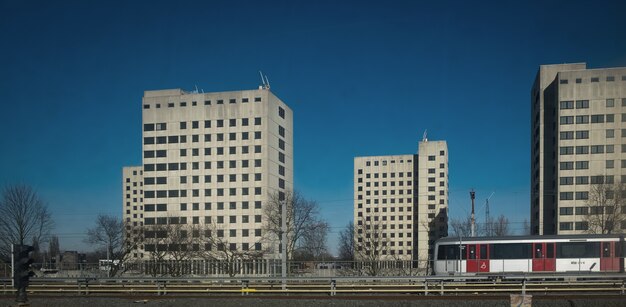
The Dallas-Fort Worth housing market is known for its vibrancy and rapid growth. To make an informed decision, buyers need to grasp the current trends and pricing dynamics.
Key Market Trends
The DFW housing market has shown steady growth over the past few years. This trend is driven by strong job markets, population influx, and economic stability in the region.
One notable trend is the increased demand for suburban properties. Many buyers are seeking more space and amenities outside the urban core, leading to competitive markets in areas like Frisco, Plano, and McKinney.
New construction continues to be a significant factor in the DFW market. Developers are actively building new communities to meet the growing demand, offering buyers fresh options with modern amenities.
Pricing and Affordability
Home prices in the DFW area have seen consistent appreciation, outpacing many other metropolitan areas. This growth has implications for both buyers and sellers in the market.
Despite the price increases, DFW remains relatively affordable compared to other major U.S. cities. The median home price in DFW is lower than in markets like New York, Los Angeles, or San Francisco, making it an attractive option for many buyers.
It’s important to note that pricing varies significantly across different neighborhoods and suburbs. Factors such as location, school districts, and proximity to amenities can greatly influence property values.
Finding the Right Neighborhood
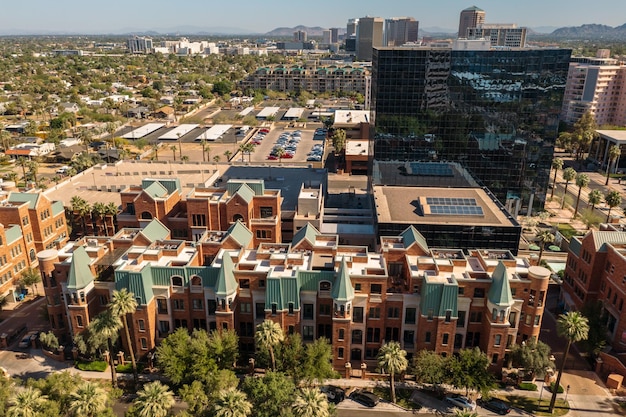
Choosing the ideal neighborhood is crucial when buying a home in DFW. Consider factors like education quality, local amenities, and transportation options to find the perfect fit for your lifestyle.
School Districts and Amenities
The quality of school districts is a top priority for many homebuyers in the DFW area, especially families with children. Districts like Frisco ISD, Plano ISD, and Carroll ISD are highly regarded for their academic excellence.
Beyond education, local amenities play a significant role in neighborhood desirability. Parks, shopping centers, restaurants, and entertainment venues can greatly enhance quality of life and property values.
When evaluating neighborhoods, consider the future development plans. Areas with upcoming infrastructure improvements or new commercial projects may offer good investment potential.
Commuting and Accessibility
Transportation is a key factor in the DFW metroplex, given its vast size. Consider your daily commute and access to major highways when choosing a location.
Public transportation options, such as the DART rail system, can be a valuable asset. Proximity to stations may increase property values and provide convenient alternatives to driving.
For those who frequently travel, consider the distance to DFW International Airport or Dallas Love Field. Easy airport access can be a significant advantage for both business and leisure travelers.
Navigating the Buying Process

The home buying process can be complex, especially in a competitive market like DFW. Working with experienced professionals and understanding negotiation strategies can help you secure your dream home.
Working with a Real Estate Agent
A knowledgeable local real estate agent can be invaluable in your home search. They provide market insights, access to listings, and guidance throughout the buying process.
When selecting an agent, look for someone with experience in your desired neighborhoods. They should have a track record of successful transactions and strong negotiation skills.
Your agent can help you understand local market conditions, set realistic expectations, and identify properties that match your criteria. They’ll also assist with paperwork and coordinate with other professionals involved in the transaction.
Negotiation and Closing Tips
In a competitive market, strong negotiation skills can make a difference. Be prepared to make quick decisions and consider strategies like escalation clauses or personalized offer letters.
During the closing process, pay attention to details in the contract and inspection reports. Don’t hesitate to ask questions or seek clarification on any terms or conditions.
Remember that closing costs can add up quickly. Factor these expenses into your budget and discuss potential seller concessions with your agent to potentially reduce your out-of-pocket costs.


© 2023 MoxiWorks
© 2022 Judge Fite Company, Inc. All rights reserved. CENTURY 21® and the CENTURY 21 Logo are registered service marks owned by Century 21 Real Estate LLC. Judge Fite Company, Inc. fully supports the principles of the Fair Housing Act and the Equal Opportunity Act. Each franchise is independently owned and operated. Any services or products provided by independently owned and operated franchisees are not provided by, affiliated with or related to Century 21 Real Estate LLC nor any of its affiliated companies. | Privacy | Accessibility
